Views: 0 Author: Site Editor Publish Time: 2026-08-17 Origin: Site
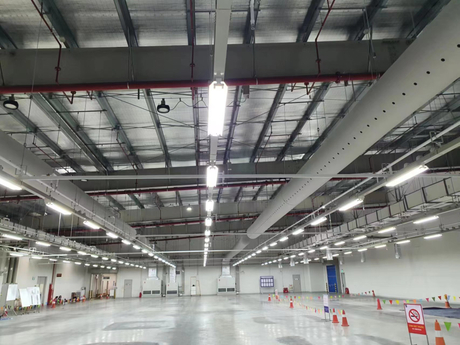
Driven by global "Dual Carbon" (Peak Carbon & Carbon Neutrality) goals, carbon accounting in industrial plants is shifting from "operational emissions" to "embodied carbon." The carbon footprint of traditional metal duct systems is often overlooked: producing one ton of galvanized steel consumes approximately 600 kWh of electricity, while the PVC base of rubber insulation is a highly polluting byproduct. Coupled with on-site welding and cutting emissions, the ventilation system for a 10,000 m² factory can carry an embodied carbon footprint of dozens of tons. Fiber Fabric Ducts are emerging as the "Green Ledger" of factory construction, utilizing their low-carbon DNA and dry-installation characteristics to重构 (reshape) environmental responsibility through a lifecycle decarbonization logic.
The green pain points of industrial buildings center on three areas: "heavy materials, dirty construction, and difficult recycling." Metal ducts undergo highly energy-intensive processes from ore smelting to finished product—mining, sintering, and rolling—with a carbon density as high as 2.1 kg CO₂ per kg of material. During on-site installation, welding fumes and volatile organic compounds (VOCs) from insulation adhesives directly pollute the indoor environment, contradicting the goals of a green factory. Fabric ducts reverse this trend at the source: the base material utilizes recycled PET bottle flakes for spinning, with carbon emissions per ton of fiber being only 1/8th of that of metal materials. The factory prefabrication + on-site rail assembly dry-construction model achieves "zero welding, zero glue, and zero dust," making installation-phase emissions virtually negligible.
This green value is particularly prominent in three factory scenarios:
Zero-Carbon Demonstration Plants: A zero-carbon park for new energy batteries included fabric ducts in its building material carbon footprint inventory, reducing the embodied carbon of the ventilation system by approximately 42 tons in a single project, which helped the park achieve LEED Platinum certification.
Green Retrofitting of Old Plants: Driven by "Assessment Standards for Green Retrofitting of Existing Buildings," replacing old ducts with fabric systems requires no hot work or production shutdowns, avoiding additional carbon emissions during the renovation. Furthermore, the old ducts can be recycled and remanufactured, creating a closed-loop system.
Electronic Cleanrooms: In ISO 14644 cleanrooms, the low-VOC emission特性 (characteristic) of fabric ducts (TVOC < 0.05 mg/m³) safeguards indoor air quality at the source, reducing the energy consumption required for subsequent fresh air treatment.
It is important to note that factory-specific fabric ducts must pass the Green Building Material Product Certification (3-Star Rating) to ensure full-chain environmental friendliness from raw material to disposal. As carbon border taxes and ESG disclosures become mandatory for export-oriented manufacturers, fiber fabric ducts are evolving from mere ventilation equipment into an "invisible加分项 (value-add)" for a factory's green competitiveness—writing the sustainable future of industrial architecture with quantifiable decarbonization data.

NO999, Sunqiao RD, Pudong area, Shanghai, China

+86 138 1637 7866